Technology’s Role in Commercial Appraisal Services in Oxford County
Commercial valuation work has always balanced judgment with evidence. In Oxford County, where a grain elevator may share a rural road with a high tech plastics plant and a logistics facility sits five minutes from a dairy farm, that balance depends more than ever on technology. Tools that were once optional are now integral to reliable, defensible numbers. They shorten timelines, improve accuracy, and surface market nuance that a traditional file review would miss. Still, the tools are only as good as the appraiser using them, and local context matters.
This article looks at how technology actually functions inside commercial appraisal services in Oxford County, what improves quality, what creates risk, and how clients can tell the difference.
Oxford County’s market realities and why tech matters here
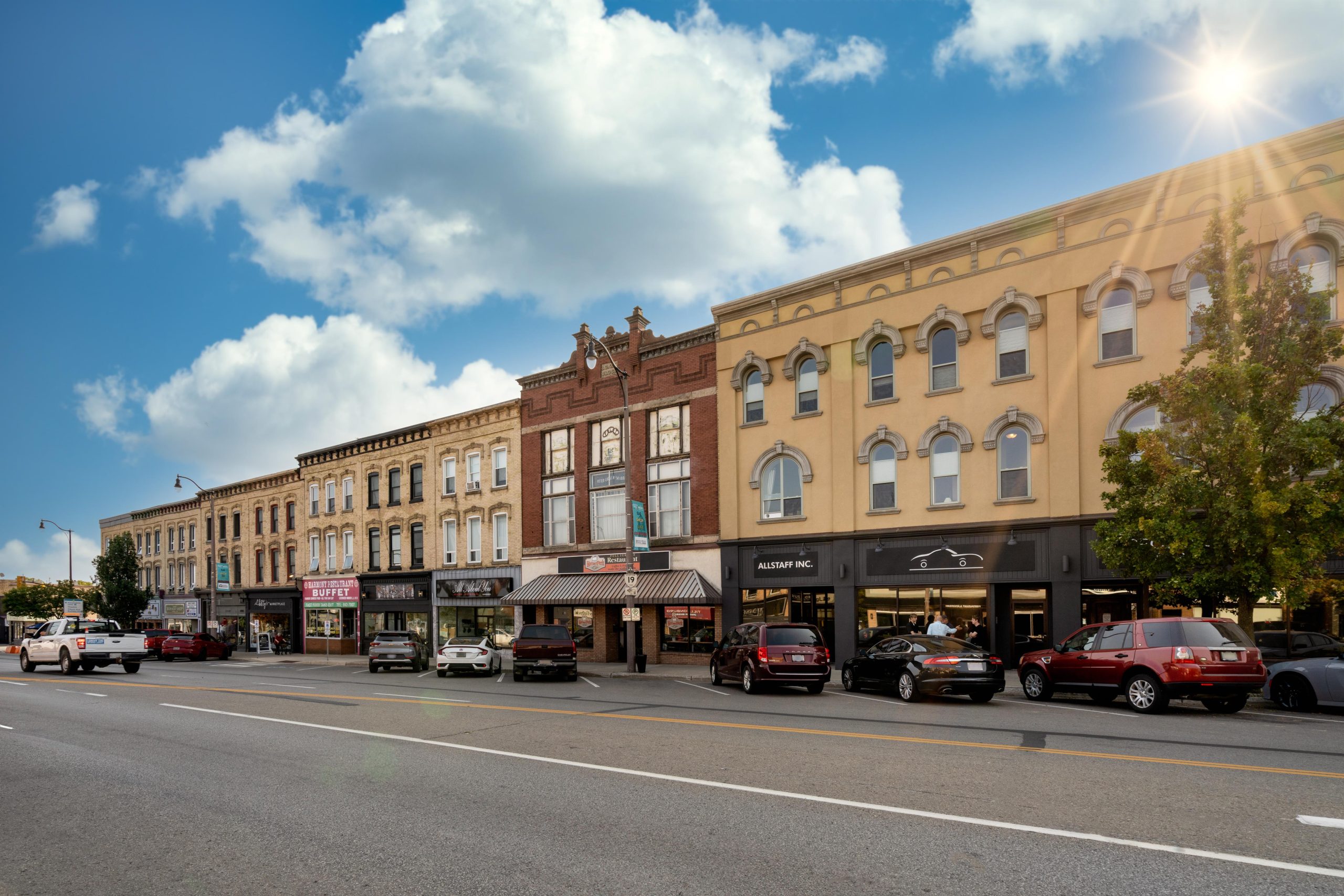
Oxford County’s commercial inventory spans primary corridors along Highways 401 and 403, downtown main streets in Woodstock, Ingersoll, and Tillsonburg, rural industrial nodes, and a broad base of agricultural and agri‑business assets. You see multi‑tenant flex buildings trading on cap rates, single‑user manufacturing facilities with specialized improvements, owner‑occupied shops with mixed office and production space, and land that sits at the edge of an evolving urban boundary. Several nuances define the valuation challenges:
- Industrial assets are varied in age and spec. Ceiling heights, power, rail access, and loading configurations can swing value materially. Benchmarking those attributes requires structured data, not just photos.
- Owner‑user transactions sometimes outnumber investor trades, which complicates market extraction of cap rates and rent comparables. Pairing deed data with leasing intel and income modeling becomes critical.
- Agricultural and rural commercial uses frequently intersect. A dairy processing addition on a farm parcel, a contractor’s yard with aggregate stockpiles, or a cold storage facility with hydro upgrades, each call for both agricultural land expertise and industrial cost analysis.
- Municipal planning policy is active. Intensification, employment land conversions, and site plan conditions can adjust highest and best use. An appraiser needs quick access to current zoning, official plan amendments, and development charges.
In this setting, technology acts as an amplifier. It speeds up the slow parts, exposes blind spots, and lets a commercial appraiser in Oxford County defend a position with quantifiable support.
Data foundations: property facts, confirmed and cross‑checked
The backbone of any commercial real estate appraisal in Oxford County is data that is both current and attributable. The practical workflow looks like this.
Teranet’s Land Registry and GeoWarehouse are indispensable for legal descriptions, PINs, and transfer histories. These sources allow a clean chain of title and confirm easements that might undercut a development concept. They also yield sale dates and prices, but those numbers still need context.
MPAC data helps with building areas, age, and site sizes. It is a starting point, not the last word. Many industrial buildings have undergone multiple additions. Field verification with laser measures and floorplans remains necessary. A common pitfall is relying on legacy MPAC gross floor area when a mezzanine was added, or a lean‑to removed, years ago.
Municipal portals provide zoning details, site‑specific exceptions, and sometimes building permits. Woodstock, Ingersoll, and Tillsonburg publish bylaw documents and interactive maps that speed up highest and best use analysis. The trick is version control. Download the bylaw section you rely on, cite the date, and archive a copy in the digital workfile. When a cap rate turns on whether a use is truly permitted as of right, loose references create risk.
Market comparables demand multiple sources. MLS will catch some small‑shop commercial listings, but private brokerage databases, network calls, and subscription services that capture industrial and investment trades fill most of the gaps. The best files show a comp trail: listing sheet, broker email confirming net rent and inducements, a copy of the certificate of insurance or lease excerpt if shared, and Land Registry evidence of the sale.
Remote imagery now saves hours. High resolution aerials from web mapping platforms, provincial imagery libraries, and periodic obliques help confirm roof condition, parking layout, and truck court geometry without three site visits. They do not replace a site visit, they make it smarter. I have caught easements that were visually apparent from aerials, flagged a potential encroachment when a fence line strayed over a deed boundary, and identified that a rear addition sat on a separate slab by the change in roof color.
Fieldwork reimagined: mobile tools, measurement, and safety
Inspection is still the appraiser’s craft moment. Technology simply gives it structure.
A mobile inspection app can log geo‑tagged photos, voice notes tied to a floor plan, and a time‑stamped site log. I prefer checklists that mirror the subject’s use. For a food‑grade facility, this includes floor drains, epoxy floors, washable wall finishes, and HVAC zoning. For a machine shop, power supply in amps, transformer ownership, and crane rails matter. Templates reduce missed details.
Laser distance meters with Bluetooth integration convert raw measures into vector floorplans with tolerances of a few millimeters over typical spans. When paired with a tablet, you can export a clean plan directly into a cost model or rent‑per‑square‑foot analysis. I have compared laser‑generated GFA against MPAC on more than 100 properties. In about one in five, the variance exceeded 5 percent, usually due to mezzanines, mechanical rooms, or irregular wall thickness in older brick construction.
Drones have a role in larger sites, provided Transport Canada rules and property permissions are respected. They are efficient for roof condition surveys on flat membranes and for documenting acreage with multiple structures, outdoor storage, and stormwater ponds. Thermal imagery on a sunny day can even flag roof insulation gaps, but that is specialty work and not always necessary.
Safety is not just ethics, it is data quality. A forewarned plant shutdown is worth more than a rushed walk‑through while machinery is live. A 30 minute pre‑inspection call can identify required PPE, restricted areas, and the best time to photograph the production line without disrupting operations.
From raw inputs to valuation logic: how analytics now guide judgment
Once the facts are in, analytics do the heavy lifting. The goal is not to replace judgment with a black box, it is to put numbers behind the story.
Paired sales and hedonic models are useful in markets with mixed assets. In Oxford County, I often analyze industrial sales with variables such as year built or renovated, ceiling height, percent office finish, loading type, power, and site coverage. Even a simple regression over 20 to 40 sales can quantify the typical premium for 28 foot clear versus 18 foot, or the discount for site coverage above 45 percent where parking and circulation suffer. Those results do not override a direct comparison grid, they inform it. When a negotiated sale price looks offside relative to the model, I ask why. Sometimes the answer is a contaminated site, or equipment included at fair value.
Income modeling benefits from transparent rent rolls and realistic expense loads. Spreadsheets now handle scenario runs cleanly. For a multi‑tenant flex building, I might run a base case with current rents stepping to market over three years, then a sensitivity where two of six units roll into downtime given tenant quality. Discounted cash flow in five and ten year holds will show value delta across scenarios. That range is often as important to a lender as the point value.
Cost analysis has tightened with better databases. Marshall & Swift and RSMeans remain staples, but local calibration is what matters. I keep a rolling index of recent bids for tilt‑up walls, TPO roofing, and dock equipment from contractors who work the 401 corridor. In 2022 to 2024, I saw steel and electrical components swing by double digits, then flatten. Plugging in national cost tables without calibration would have missed those swings. For special purpose assets such as cold storage or food processing, I isolate process‑driven finishes and mechanicals as short‑life items and model accelerated depreciation accordingly.
GIS mapping stitches it all together. A parcel‑level map with zoning, floodplain layers, rail lines, and distance to interchanges explains location premiums succinctly. When you can show that three comparable sales all sit within a six minute drive of a 401 ramp while the subject is twelve minutes with a weight‑restricted bridge on the route, the adjustment stops feeling arbitrary.
Automation, yes, but with guardrails
Automated valuation models tempt any busy practitioner. For homogeneous suburban offices, an AVM can be a quick smell test. For a 1950s industrial building with a 1998 addition, mezzanines, and a transformer upgrade, automation will gloss over the realities tied to utility and functional obsolescence.
In commercial appraisal Oxford County work, I treat automation as triage. It helps identify outliers to investigate, not conclusions to copy. A common failure mode is stale or misclassified data feeding the model. If the algorithm believes two sales are both bulk distribution when one is a production plant with limited docks, the output will be confidently wrong. The only fix is upfront data hygiene and a willingness to override the machine when the site evidence conflicts.
What faster really looks like for clients
Technology has shortened turnaround by days, sometimes weeks, without sacrificing depth. The biggest gains come from:
- Rapid comp retrieval and validation with centralized databases and broker integrations. Template emails and a known group of local brokers move confirmations along faster. People respond to who they know.
- Clean digital workfiles. When a lender’s review appraiser asks for the basis of a zoning interpretation, a single click produces the saved bylaw page, date‑stamped. That level of organization avoids rework.
- Standardized yet flexible reporting. Narrative sections with linked exhibits let clients move from executive summary to support in two clicks. Some clients want a deep dive on cap rates, others on covenant strength. Hyperlinked reports meet both needs.
- Proactive risk flags. Models can highlight debt service coverage ratios under rate stress, exposure to near‑term lease rollover, or cash calls for deferred maintenance. Those flags guide underwriting questions before credit committee meetings.
The sum of these parts has moved a typical small industrial appraisal in Oxford County from three weeks toward ten to twelve business days in many cases, assuming timely access. Larger assignments still take longer, but the ratio of analysis time to administrative busywork has improved.
Local specificity still rules the hard calls
Technology does not answer whether a former food processing plant in Ingersoll carries a stigma after a closure, or whether a rural contractor’s yard with aggregate piles will face near‑term bylaw changes. Those answers live in conversations with economic development officers, planning staff, and operators who have tried to secure variances. They also live in data, but in the messy kind: meeting minutes, news releases, and personal notes from prior files.
One recent example involved a mid‑sized industrial building with 16 foot clear height, a mix of dock and grade loading, and an older fire suppression system. Automated models wanted to treat it like the newer 24 foot clear stock that has moved cap rates down half a point in the last cycle. Local leasing intel showed tenant preferences had shifted sharply to higher clear heights for racking efficiency. The result was a two tier market. The subject could not chase the newer cohort on rent, and the proper yield reflected longer leasing risk. Without local conversations, the model would have been optimistic.
Another case involved a retail plaza in a secondary location with a dominant medical tenant. Technology helped quantify the medical rent premium over general retail. But the real question was whether municipal parking requirements would constrain a proposed expansion that could lift NOI materially. A quick GIS map alone would not cut it. We needed a call with planning staff and a read of site‑specific parking exemptions. The answer unlocked the after‑repair value.
Environmental data and building performance
Environmental constraints show up often. Phase I ESA reports usually exist for finance or sale purposes, and database screens for records of site conditions, spills, or landfill proximity are routine. Technology’s contribution is speed and mapping clarity. Layering historical aerials, topographic maps, and current imagery can reveal filled ponds, former tracks, or demolished structures that a paper report mentions but does not visualize.
Energy and carbon are growing value factors. Smart sub‑meter data, where available, helps separate tenant behavior from building efficiency. Even without sub‑meters, interval data from utilities can indicate demand spikes, power factor penalties, or HVAC control issues. For high‑load users, that can be thousands of dollars annually, which in a cap rate world affects value. The caution here is privacy and data permissions. Never scrape or infer tenant data without consent.
Report defensibility under CUSPAP and lender scrutiny
Commercial appraiser Oxford County professionals working under CUSPAP standards face expanding reviewer expectations. Technology helps satisfy them.
Version control with document management software ensures that the final of record is immutable. Analytical worksheets link back to cited sources, with footnotes that match exhibits. Sensitivity tables capture the plausible range of outcomes when any single variable carries uncertainty. If market rent is uncertain within, say, 10 to 15 percent, show what happens to value at each step and discuss probability. Lenders can live with uncertainty presented honestly. They struggle with a single point estimate delivered with false precision.
Geolocation logs for site photos can settle disputes about inspection scope. Metadata shows you stood in the northwest corner of the lot at 10:42 a.m., not at the wrong address. In one review dispute, that evidence resolved a question about encroachment, since the camera angle and GPS tag matched a survey pin.
A tech‑enabled workflow that actually works
If you want to understand what a streamlined, defensible process looks like, here is the high level sequence that has proven reliable for commercial appraisal services in Oxford County:
- Define scope with purpose, property type, and delivery date, then pull title and zoning summaries within 24 hours to spot red flags early.
- Schedule inspection with a tailored checklist, confirm access to mechanical rooms and roof if safe, and collect base plans or as‑builts if any exist.
- Build the comp set in parallel, using sales, leases, and active listings, and start broker confirmation outreach immediately.
- Model three valuation paths, typically direct comparison, income, and cost, with documented assumptions and sensitivity bands for key variables.
- Assemble a narrative report with linked exhibits, archive all sources, and deliver with a brief of risk flags that align with the client’s decision.
That sequence reduces backtracking, keeps stakeholders aligned, and produces a workfile that ages well for future updates.
Where tech can mislead, and how to avoid it
Three common traps appear repeatedly.
First, stale imagery. Aerials lag reality. A new loading bay added last fall may not appear in the most recent public imagery. Always reconcile with permit data, field photos, or contractor invoices.
Second, overfitting models to thin data. A regression on eight sales feels scientific, but it will happily attribute enormous value to a minor variable if the sample is small. Keep models humble, use them to guide, not to dictate.
Third, ignoring functional utility in a checklist world. A plant with floor drains, washdown walls, and specialty ventilation may have narrow reuse options even if in good condition. Technology can inventory features, but only market conversations tell you whether those features attract or repel likely tenants.
Practical benefits clients can expect in Oxford County
For lenders, a cleaner understanding of downside risk. Rate scenarios and rollover exposure are quantified. Environmental and zoning issues are surfaced early, not in a closing‑week surprise.
For owners, clearer paths to value creation. If a flex building is under‑parked, satellite imagery and zoning math can show whether restriping and a minor variance could unlock higher rent categories. If power capacity limits tenant mix, a utility quote can be folded into a capex plan and a value after improvement scenario.
For buyers, leverage in negotiation. Technology‑backed comps and analytics sharpen the case for price adjustments when the property diverges from the competitive set. I have seen purchase prices move by 2 to 5 percent when a buyer presented a well‑documented divergence on ceiling height utility or loading inefficiency, supported by a rent impact model.
Choosing a tech‑forward commercial appraiser in Oxford County
Credentials and experience still come first. Candidly, the most effective technology in the world does not fix weak judgment. That said, clients can ask targeted questions to separate genuine capability from buzzwords.
- What data sources do you rely on for sales and leases, and how do you verify them locally in Oxford County?
- How will you document zoning and highest and best use, and will the report include direct citations with dates?
- What elements of the inspection will be measured or photographed, and how will you reconcile MPAC data with field conditions?
- Will your report include sensitivity analysis on rent, vacancy, and yield, and can you explain the local evidence behind those ranges?
- How do you secure and archive workfiles for future updates or reviews?
You will hear the difference between comfort with tools and a process built around them.
The quiet infrastructure that makes updates painless
One of the underrated wins of a technology‑driven approach is the ability to refresh a valuation with minimal friction. If the initial commercial property appraisal in Oxford County is built on labeled sources and structured models, a market update three or six months later can be produced quickly. Updated comps can slot into an established grid. A rent roll with a few changed cells ripples through https://beauurnh049.wpsuo.com/valuing-owner-occupied-properties-commercial-appraisal-oxford-county the DCF transparently. The client pays for analysis, not for re‑creating a file.
I have refreshed industrial valuations within 48 hours after credible rent comps shifted by a dollar per square foot following a major tenant move. The speed was not a shortcut, it was the byproduct of a disciplined first pass.
Looking ahead: what will matter over the next cycle
Three developments are shaping the next few years.
First, richer lease data. As more owners adopt property management platforms, anonymized market feeds should improve rent and inducement transparency. That will lift the quality of income approaches. Privacy and data rights must be respected, but the trend is favorable.
Second, embedded building performance data. More lenders are asking about energy, resilience, and climate risk. As benchmarks mature, especially for industrial where HVAC is often limited but process loads are heavy, expect adjustments tied to operating cost differentials and retrofit needs. Valuation will need to quantify, not just mention, those factors.
Third, planning reform and growth pressure. As municipalities in Oxford County update official plans, employment land policies will evolve. Parcels that were once safe industrial may see competing uses at the fringe, and investors will press for conversions. Having instantaneous access to current policy documents and change logs will be essential to defend highest and best use calls.
Final thoughts
Technology has not changed the core of valuation work. It has changed the rhythm, the evidence, and the clarity with which a position can be explained. A commercial appraiser in Oxford County who embraces these tools produces reports that are faster to deliver, easier to review, and harder to dispute. The technology does not give the answer. It illuminates the path, quantifies the trade‑offs, and leaves a paper trail a reviewer can follow.
For clients seeking commercial appraisal services in Oxford County, the question to ask is simple: will the appraiser show their work in a way that stands up when it matters? The right technology, in practiced hands, makes that yes much easier to say.