Sale-Leaseback Strategies: Commercial Appraisal Services Oxford County
Sale-leaseback deals are deceptively simple: sell the property you occupy, then lease it back on terms you negotiate. On the balance sheet, the move converts illiquid bricks and mortar into working capital. Operationally, nothing changes the next morning, your team still unlocks the same door and runs the same equipment. The complexity lives in the details, particularly in setting rent, understanding the value of the lease you create, and judging the right capitalization rate for your location and building type. That is where a seasoned commercial appraiser in Oxford County earns their keep.
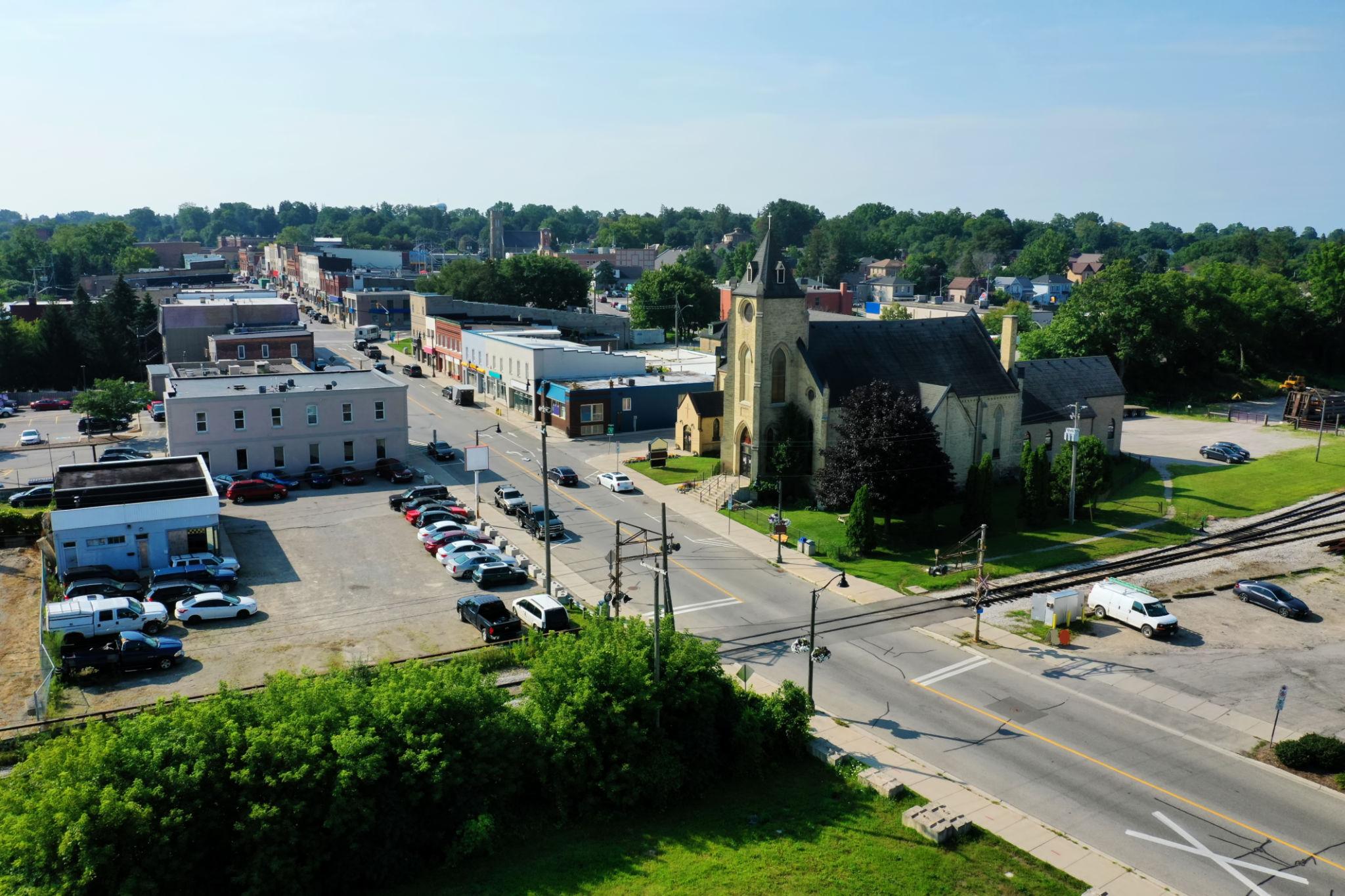
I have seen sale-leasebacks rescue healthy companies starved for expansion capital, and I have seen them saddle operators with rent that strangled flexibility a few years later. The difference usually comes down to careful appraisal, clear-eyed assumptions about market rent, and smart structuring aligned with the real asset and the tenant’s credit. Oxford County has its own market posture and pricing behaviors, whether you are in Woodstock’s industrial parks, an agri-business site near Tillsonburg, or a high-visibility retail pad on a county arterial. Local data matters.
This guide walks through how sale-leasebacks actually create or destroy value, why an impartial commercial real estate appraisal in Oxford County is critical, and the practical steps that make a transaction bankable rather than merely clever.
What a sale-leaseback really does to value
Two values appear the instant you sign a sale-leaseback. First is the value of the real estate if it were empty and available to the market on a typical basis, known as the fee simple interest. Second is the value of the property as it will exist after you close, burdened by the lease you just created, known as the leased fee interest. The sale price in a sale-leaseback usually follows the latter.
In a straightforward case, if the new lease rent you agree to is near market, and the term and tenant credit are acceptable to investors, the sale price lines up with what a third party would pay for the building anyway. But many sellers push rent higher than the going rate to pull more cash out on day one, betting that their operations can service the payment. That can work for a manufacturer with thick margins and low volatility. It breaks for a thin-margin distributor who later finds the above-market rent a drag on competitiveness, especially if demand softens.
A commercial property appraisal in Oxford County does the grunt work to separate the fee simple value from the leased fee value. The appraiser studies comparable sales, tests market rent for comparable space types, and models the lease you plan to sign. Two prices can be https://lorenzoosvf437.fotosdefrases.com/multifamily-and-mixed-use-commercial-real-estate-appraisal-in-oxford-county defensible, but only one helps your long-term cash flow. Knowing both is the point.
Oxford County market character and why it matters
Oxford County sits in a corridor tied to Southwestern Ontario logistics, automotive suppliers, food processing, and farm-adjacent industries. Industrial users value quick highway access, functional loading, clear heights, and reliable power. Retail strips live or die by traffic counts and grocery anchors. Mixed office and service commercial are leaner and tend to gravitate to nodes with medical and professional clusters.
Those characteristics flow into cap rates and market rent. Investor appetite for long leased industrial assets tied to creditworthy tenants remains resilient in the region, but buyers discriminate heavily on building function and future re-tenanting prospects. A single-purpose building laid out for one production line invites re-use risk and tends to trade at a discount to more generic flex or warehouse spaces. Retail with strong anchors and low tenant churn prices differently than a shadow-anchored strip facing tenant risk. The nuances cannot be outsourced to a national average. You need a commercial appraisal that reflects Oxford County pricing behavior, not Toronto, not Kitchener, and not a blended Ontario figure.
The appraisal lens: three approaches, one defensible value
A complete commercial appraisal Oxford County professionals prepare will consider three methods, but their weight varies with property type and data quality.
Income approach. For a sale-leaseback, the income method often dominates. The appraiser analyzes market rent for your space type and quality, decides a vacancy and credit loss allowance appropriate to the area, and capitalizes a stabilized net operating income at a market-derived cap rate. If the lease you plan to sign sets rent above market, the appraiser may value the property at market rent for the fee simple scenario, then separately value the leased fee interest created by the specific lease. The spread between those two numbers is the premium or discount you are engineering by setting your rent.
Sales comparison approach. Oxford County has enough industrial and retail trades that a competent commercial appraiser can anchor value with comparable sales, adjusted for age, condition, land-to-building ratio, ceiling height, office finish, dock count, and location. When comps are thin, the appraiser expands the search window, but credibility depends on thoughtful adjustments tied to real market behavior rather than generic percentages.
Cost approach. Cost new less depreciation provides a backstop, especially for newer specialty industrial assets or public-sector buildings. For older assets, accrued functional or external obsolescence often weakens the cost indication, so appraisers treat it as a reasonableness check rather than a driver.
When a sale-leaseback is on the table, you need both a fee simple value and a leased fee value in the report. They anchor negotiations, loan sizing, and accounting.
Setting rent without burning the furniture
The most common mistake in sale-leasebacks is letting the target sale price dictate rent. That is backwards. Rent should reflect what comparable tenants would pay for your space in your submarket, then adjust, within reason, for the lease you are actually signing. A long term with strong escalations supports a sharper cap rate. A limited-term lease or shaky credit demands a wider one. You can adjust and still stay within a band called market.
If you push base rent far above the range, you borrow today against future operating flexibility. Lenders and buyers notice. A sophisticated buyer will discount a portion of above-market rent, especially when renewal probability is uncertain. On the flip side, if you are a tenant with rock-solid credit and a long track record, investors will pay a premium for the income stream you create, which can justify a rent at the upper end of market. The appraisal should provide a defensible rent band, not a single point, then show how different rent choices affect value and cap rate support.

Lease terms that move the needle
Each clause in your lease tilts the valuation.
Term and renewals. Initial term length, options to renew, and the nature of those options matter. Fair market value options keep future rent in line with the market, which aids appraisal comfort. Fixed-rate option rents can support current value if they resemble market growth, but can become a drag if they outrun it. Investors may impute the likelihood of renewal based on tenant capacity, build-out specificity, and site fit.
Escalations. Annual increases set income growth expectations. Two to three percent annual bumps are common targets in many stabilized markets, but the right figure depends on local rent growth data and inflation outlook. Steeper bumps boost year-one value on paper, yet the appraiser will test plausibility against the rent band and tenant affordability.
Netness of the lease. True triple-net shifts taxes, insurance, and maintenance to the tenant, which stabilizes landlord net income. Modified gross or net of some items introduces expense risk that the appraiser will model with a reserve or expense line. In industrial sale-leasebacks, investors usually prefer net leases with clear maintenance obligations and capital expenditure responsibilities set out.
Tenant improvements and landlord work. If the deal includes landlord-funded improvements, the appraiser will capitalize the finished condition but also account for the cost outlay and any free rent or rent credits. The structure should align incentives so the rent is paying for durable utility, not a cosmetic refresh.

Assignment and subletting. Restrictive clauses that limit the tenant’s ability to assign can make underwriting renewal risk trickier if the facility is specialized. Appraisers and buyers like to see a pathway for re-tenanting in downside scenarios.
Security and guarantees. Personal or corporate guarantees, letters of credit, and covenants strengthen tenant credit in the eyes of lenders and appraisers. Stronger security can support sharper pricing, particularly for private companies without public ratings.
Special factors in manufacturing and agri-adjacent assets
Oxford County’s industrial base includes food processing, auto-adjacent manufacturing, and distribution. Facilities with food-grade improvements often carry higher build costs, but not all of that cost translates to transferable value if future tenants will not pay for it. Similarly, a plant tailored to a single production line may be perfect for your workflow, yet hard to repurpose. A seasoned commercial appraiser Oxford County owners trust will address these realities head on: what portion of your fit-out contributes to market rent, how feasible is adaptation, and what downtime would a landlord face if you left at the end of term.
For agri-business properties, the appraisal must disentangle business enterprise value from real property value. Cold storage capacity, wash-down areas, or specialized ventilation may be part of the realty. Proprietary equipment and process patents are not. A sale-leaseback should monetize the real estate and durable tenant improvements that a generic buyer would value, not your brand equity.
Debt, equity, and tax planning interact with value
The sale price is not the only financial dimension. Lenders typically size loans to the debt service coverage on in-place rent after deducting a market vacancy and applying a debt yield test. Overreach on rent can lift value, but if it lifts debt service beyond prudent coverage, the lender will cap proceeds. An appraisal that models realistic rent and expense behavior sets expectations and avoids retrades.
Tax treatment depends on jurisdiction and corporate structure, and owners should coordinate with accountants early. Under IFRS, a sale-leaseback can prompt gain recognition based on the right-of-use asset and the sale price compared to fair value. Under ASPE or US GAAP, rules differ, but in all cases, a credible, independent commercial appraisal services Oxford County report anchoring fair value helps auditors and reduces friction. Plan the accounting path before you publish your letter of intent.
Anatomy of a credible commercial appraisal in Oxford County
Investors and lenders read past the value conclusion to look at the bones of the report. They want to see fresh, local comparables, a candid condition assessment, and a transparent rationale for cap rates and rent. They also look for clear treatment of environmental and title matters. A Phase I environmental site assessment, even if outside the appraiser’s scope, is functionally mandatory for many lenders. If there are historical uses that elevate risk, address them upfront.
The strongest reports also reconcile the approaches coherently. If the sales comparison suggests 160 to 180 per square foot and the income approach supports a broad range depending on rent, the appraiser will explain why they weight one approach more heavily. For a sale-leaseback, the reconciliation should explicitly acknowledge that the transacted leased fee price may sit above or below the fee simple indication. That transparency builds credibility with credit committees.
Where companies misjudge sale-leasebacks
I have walked into meetings where the seller had already decided on the sale price based on a private equity spreadsheet, with rent reverse-engineered and no market testing. Six months later, the buyer’s lender haircut the income, the cap rate widened, and the seller was left explaining the delta to the board. A few recurring missteps show up:
- Treating a specialized building as if it were generic, and assuming full transfer of fit-out value into market rent.
- Ignoring renewal and re-tenanting risk, then pricing the cap rate tighter than what investors require for the location and building utility.
- Letting sale price targets drive rent, rather than building a defensible rent band from comparables and tenant affordability.
- Underestimating the cost of maintenance and capital items in leases that are not truly triple-net.
- Leaving environmental questions for the eleventh hour, which spooks lenders and slows closing.
Handled correctly, these are solvable. Handled late, they compress proceeds or kill the deal.
A short case example from the county
A mid-size fabricator operating out of a 110,000 square foot building near Woodstock wanted 12 million in expansion capital to buy equipment and add a second shift. Their real estate was debt free and management proposed a sale-leaseback at a 6.5 percent cap on a rent they pegged at 8.75 per square foot triple-net. On a quick glance, that produced an attractive price.
Our appraisal found that recent leases for similar clear heights and loading in that pocket supported 7.50 to 8.25 per square foot. We toured the building, noted solid utility but also a heavy single-purpose line configuration that would take time to unwind for a future tenant. We tested the income at 8.00 per square foot and a cap range reflecting location, size, and specialization. The investor pool we spoke with liked the credit but priced re-tenanting risk slightly wider than management expected.
The revised structure set year-one rent at 8.10 with 2.5 percent annual bumps, included a tenant-funded maintenance covenant, and moved the initial term from 10 to 12 years to match the equipment payoff profile. The value landed a notch below the wish list, but the debt proceeds sized cleanly and the operating rent stayed within affordability at various production scenarios. Two years on, the company hit its output targets and negotiated an early expansion of the lease area to incorporate a small addition, preserving yield for the buyer. The sale-leaseback served its purpose because the rent, not the headline price, led the design.
How an Oxford County appraiser builds a rent band you can use
Rent is not a single number. It is a defensible interval anchored in evidence. A commercial appraiser Oxford County owners rely on will pull signed leases from comparable properties, dissect the netness of each contract, adjust for tenant allowances or free rent, and normalize terms to a triple-net equivalent where appropriate. They will reconcile asking rents and recently negotiated renewals to see where deals are getting done, not just quoted.
They also analyze the cost to replicate your space. If new construction costs and land values have climbed, market rent tolerance receives an upward nudge as replacement options grow more expensive. If existing vacancy provides ready alternatives, rent growth softens. The result is a band with a midpoint and a rationale for being slightly above or below that midpoint based on your credit, lease term, and improvements.
With that band, you can model business scenarios. What if revenue dips 8 percent next year, can you still service rent plus maintenance and a modest capex reserve? What happens at renewal if market rent resets lower than your escalation path? Good sale-leaseback decisions are made with that map in hand.
Financing dynamics buyers and lenders apply
Institutional buyers and their lenders apply consistent stress tests. They underwrite to an exit cap rate wider than their entry. They haircut above-market rent back toward the band when testing loan coverage. They load in downtime and leasing costs at expiry. If the leased fee value you are creating depends on perfect execution with no hiccups, expect pushback. A robust appraisal aligned to Oxford County comparables steels the file against those stresses.
Specialized private buyers, including high net worth investors or family offices, sometimes accept a tighter yield if they trust the tenant’s story and like the real estate. Even then, their counsel and lenders will expect a neutral appraisal, not a marketing memo. Credible commercial appraisal services Oxford County firms produce can keep those investors engaged and confident.
Timing and process: when to bring in the appraiser
Bringing the appraiser in after the letter of intent invites value drift and retrades. Better practice: engage a commercial real estate appraisal Oxford County team as soon as you begin modeling transaction scenarios. Give them your draft lease, business plan, and any building reports. Let them test market rent and cap rates and give you a fee simple and leased fee view before you quote a price. That sequence lets you adjust rent, term, and escalations to land within a value and affordability zone you can live with.
A well-scoped appraisal assignment for a sale-leaseback also requests a sensitivity matrix. If rent moves 25 cents, here is how value and typical loan proceeds shift. If the cap rate widens by 25 basis points due to market uncertainty, here is the impact. That little table is often the difference between a board conversation that meanders and one that decides.
A practical readiness checklist
- Current, complete rent and operating expense model reflecting the lease you intend to sign, including escalations and netness.
- Building condition summary with recent capital projects and an estimate of near-term maintenance, plus any third-party reports available.
- Environmental reports, ideally a Phase I within the last 12 months, with follow-ups addressed if recommended.
- A draft lease that allocates maintenance, capital items, insurance, and taxes clearly, and sets out renewal mechanics and assignment rights.
- A neutral commercial appraisal Oxford County scope letter that includes fee simple and leased fee opinions, rent band analysis, and sensitivity testing.
With these in hand, you can negotiate from a position of clarity rather than hope.
Choosing the right valuation partner
Not all appraisals carry the same weight. For a sale-leaseback, you want a firm that regularly signs reports read by lenders and investors active in Oxford County. Ask to see anonymized samples. Look for depth of industrial and retail comps in the area, not just a broad provincial dataset. Confirm the appraiser’s familiarity with net lease underwriting, tenant credit analysis, and reversion risk. Good appraisers write plainly. If you cannot follow the narrative through to the value conclusion, a credit committee will not either.
A local commercial appraiser Oxford County businesses trust will also be candid about timing. Market data collection takes time. Site visits should be thorough. If your schedule is tight, say so early so the scope can match. Rushed reports often lead to conservative conclusions, not out of caution alone but because uncertain data cannot be stretched to hit a number.
When a sale-leaseback is not the right move
Sometimes the math or the strategy points elsewhere. If your building is hyper-specialized and the rent required to hit your price target sits well above the demonstrated market band, leasing it back can hamstring you later. If you anticipate a relocation within three to five years due to growth or labor shifts, encumbering the property with a long lease that complicates disposition may not be ideal. If your company’s credit profile is volatile, tying fixed rent escalations to uncertain revenue can push risk outside your comfort zone.
Alternatives include a mortgage refinance sized to a conservative loan-to-value, a partial sale of surplus land or non-core buildings, or a joint venture in which a capital partner funds an expansion while you retain a stake. An honest appraisal helps compare these paths apples to apples by isolating the real estate value and the cost of capital implied by your lease.
The throughline: discipline before dollars
The most successful sale-leasebacks in Oxford County follow a simple discipline. They treat the lease as a financial instrument whose quality the market will price, they use a dispassionate commercial appraisal to determine market rent and cap rates, and they structure terms that match the real performance and risk of the tenant. They do not chase a headline price at the expense of an affordable, bankable rent.
If your team is weighing a sale-leaseback, start with data. Commission an appraisal that separates fee simple and leased fee values, builds a rent band from real comparables, and tests sensitivities. With that foundation, you can decide whether to proceed, adjust, or pivot. The building will still be the same the morning after closing. The lease you sign is the part that changes your future.