Grey County Market Insights from Commercial Appraisal Companies
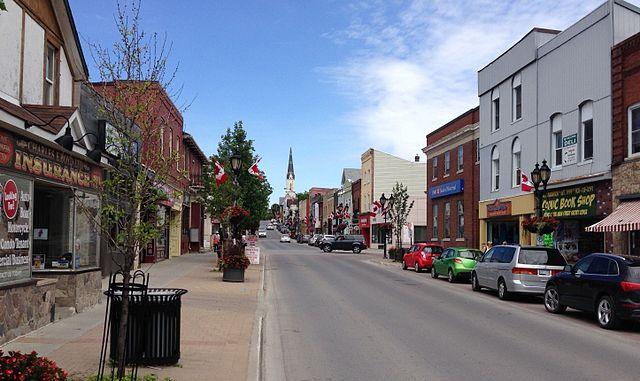
Grey County has a habit of surprising people who think of it only as ski weekends and orchards. The commercial market here is more layered than it appears from Highway 10. Appraisal assignments span older main street https://trentonvhoe454.timeforchangecounselling.com/comprehensive-commercial-land-appraisers-serving-grey-county storefronts in Hanover and Durham, light industrial in Owen Sound and West Grey, highway commercial pads in Meaford and Thornbury, hospitality near The Blue Mountains, and a growing mix of rural and hamlet properties that blur the line between agricultural and commercial use. Commercial appraisal companies in Grey County work across that full spectrum, and their files carry a story about how capital is moving, where it is hesitating, and what numbers lenders trust when they advance against income or land.
This is a practical readout of what commercial building appraisers in Grey County are seeing, and how those insights feed underwriting, acquisitions, and the annual dance with assessment notices.
What an appraiser sees that a listing does not
Brokers talk in asking prices and potential rent. Appraisers live in achieved outcomes and risk. Commercial appraisal companies in Grey County build their opinion of value on actual leases that are signed, actual vacancy that sits, and the net operating income that remains after realistic allowances. That discipline matters more in tertiary markets where a single large deal can skew perception for months.
Across the county, the gap between pro forma and reality shows up most visibly in three places. First, small bay industrial where older cinderblock buildings often need capital to meet modern tenant requirements, like power upgrades and accessibility. Second, hospitality assets that look strong during winter ski season but soften noticeably midweek in shoulder months. Third, downtown retail in towns that have seen anchor tenant turnover, where landlords must choose between shorter terms at market or longer deals at a discount to backfill.
An appraiser’s file narrows those gaps with verifiable data. Instead of assuming 100 percent occupancy based on a landlord’s sheet, the report tests market vacancy and exposure time using recent Grey County lease-up timelines, then applies it to the income stream. Instead of using a Toronto cap rate because it shows well on a loan request, the appraiser draws on local trades in Owen Sound, Meaford, or West Grey, and adjusts for quality, covenant, and term.
Demand drivers unique to Grey County
Grey sits within weekend distance of the GTA, yet day-to-day demand grows from local industry and services. Experienced commercial building appraisers in Grey County watch four drivers when they calibrate risk.
Tourism and recreation set a seasonal rhythm, especially near The Blue Mountains and along the Georgian Bay shoreline through Meaford and Thornbury. Weekend spikes help retail and food service, but they can mask structural vacancy if you only look at gross sales from peak weeks. For hospitality assets, appraisers smooth volatile cash flow over a full year, then test it against several seasons of history. A restaurant that crushes Saturdays may still struggle with shoulder season fixed costs.
Industrial users tied to trades, logistics, and light manufacturing form a stable base. Builders serving new housing in Southgate or West Grey, custom fabricators in Owen Sound’s business parks, and regional distributors using Highway 6, 10, and 26 all create steady demand for 5,000 to 20,000 square foot bays. Clear heights vary widely, and older stock often sits under 18 feet, which limits some uses. That difference shows up in rent and cap rate spreads.
Public sector and healthcare anchor several towns. The hospital and college presence in Owen Sound, along with municipal offices across the county, supports office demand that is more resilient than the headlines suggest. Smaller footprints with on site parking are faring better than larger legacy office blocks above main street retail.
Agricultural and ag adjacent uses remain central. Commercial land appraisers in Grey County field regular requests where the use straddles zoning lines, for example a farm based processing facility, a rural event venue, or a contractor’s yard on a larger agricultural parcel. In those files, valuation hinges on permitted use and severance potential more than on broad acreage averages.
Lease rates, cap rates, and what is trading
By late 2024, after rate tightening reset expectations, the county’s commercial rents settled into ranges that remain defensible today with modest adjustments for condition and location.
- Light industrial and flex space: net rents often fall between 10 and 14 dollars per square foot for functional space under 20,000 square feet, with newer builds in prime nodes pushing higher. Older bays with limited loading tend to transact at the lower end.
- Street front retail: on the main blocks of Owen Sound, Hanover, Meaford, and Thornbury, market rents commonly range from 12 to 25 dollars net depending on frontage, condition, and whether the space can support food service. Side street locations can sit 3 to 7 dollars lower.
- Service and medical office: small units with parking typically achieve 12 to 16 dollars net. Larger second floor offices without elevators can struggle above 10 to 12 dollars unless they serve a captive user.
Capitalization rates track the same quality gradient. For stabilized assets with credible covenants and remaining term, appraisers have been supporting the following broad ranges, subject to adjustment for age, location, and cash flow durability.
Small town retail with local covenants: 6.75 to 8.50 percent. If the space is re tenanting or the tenant mix is thin, an additional risk premium applies. Industrial under 25,000 square feet: 6.00 to 7.50 percent for clean, functional space with decent loading. Specialty buildouts and compromised sites push higher. Suburban style office and medical: 7.00 to 9.00 percent depending on parking and tenant concentration. Hospitality is its own lane, with limited sales evidence and a wide band, often 9 to 12 percent on stabilized income, then validated with the direct comparison and, sometimes, a cost cross check.
Sales velocity has been patchy. Cash buyers returned first, looking for yield and patient value add plays in Owen Sound and West Grey. Leveraged buyers moved more cautiously, especially where lenders tightened debt service requirements. Where trades happened, clean environmental files, straightforward zoning, and short diligence periods moved deals across the finish line.
Land is a different sport
Commercial land appraisal in Grey County behaves more like a chess match than a sprint. Value depends less on the headline acreage and more on what the municipality will let you do, what is already serviced, and what you will have to carry through approvals. Commercial land appraisers in Grey County regularly unpack assumptions that drift in from urban markets, especially around density and timelines.
Along Highway 26 or in designated employment areas, fully serviced parcels can command a significant premium over raw land. The spread between a shovel ready acre and a site that requires stormwater, road widening, and a holding removal can be steep enough to change a go, no go decision. Outside of serviced areas, buyers underwrite to a longer horizon and price in uncertainty around entrance spacing, MTO comments, and potential site plan conditions.
Rural commercial and highway commercial sites raise unique questions. Former gas stations and automotive uses trigger environmental scrutiny. Where there is a hint of historic contamination, lenders will usually insist on at least a Phase I ESA. A clean file keeps deals moving. An open risk, even if remote, either kills the trade or translates into six months of waiting and a price adjustment that exceeds the cost of the report.
For village main streets, highest and best use analysis matters as much as comps. A single story retail box on a corner lot with depth may support an addition or mixed use build over time if the official plan and zoning allow it, but the current income may not carry the cost of that vision. Appraisers balance those paths by reporting present value tied to existing use, then noting the contributory value of future options where supportable.
How the best appraisers frame value
Every report sits on a foundation of approach and evidence. The approaches are not unique to Grey County, but the weighting often is. In markets with thinner sales and lease data, reconciling multiple imperfect signals is the job.
- Direct comparison approach: Useful for land and owner occupied buildings where income evidence is thin. The challenge is finding recent trades of similar assets within the county. When necessary, appraisers reach into adjacent counties and adjust for market depth, exposure time, and local demand.
- Income approach: The workhorse for investment property. It starts with credible market rent, net of inducements, and an honest look at structural vacancy. Appraisers then derive a capitalization rate from local trades, regional data, and lender feedback. For more complex files, a discounted cash flow can capture near term lease up and capital items.
- Cost approach: The safety check, especially for special use properties and newer builds. Replacement cost new less depreciation sets a ceiling that helps catch outliers. In tertiary markets, it is common to see cost above value for over improved or very new properties if income lags.
When commercial appraisal companies in Grey County reconcile the approaches, the income approach often carries the most weight for stabilized assets, with direct comparison taking the lead for land and owner occupied buildings. Cost stays in the conversation for special use. The reconciliation section, if written well, reads like the closing argument in a courtroom. It explains why a higher sale from a busier town did not control, why a lower rent from a compromised building was set aside, and why the chosen cap rate sits where it does in the range.
A note on assessment versus appraisal
Property owners sometimes conflate commercial property assessment in Grey County with an independent appraisal. They are cousins, not twins. MPAC assesses properties for taxation based on legislated methodologies and mass appraisal tools. A commercial appraisal is a property specific opinion of market value, prepared for financing, litigation, expropriation, or transactions. Assessment values and appraised values can diverge, especially after market shifts or capital work that the assessment roll has not yet captured. If you believe your assessment does not reflect current market indicators, you can file a Request for Reconsideration or proceed to appeal. Bringing a private appraisal from a qualified AACI can help, provided the report aligns with the valuation date and the assessment rules.
Financing and the cost of capital
By late 2023, the Bank of Canada’s policy rate had reached levels not seen in more than a decade. Grey County felt it in two ways. First, debt service coverage ratios tightened, which lowered the maximum supportable loan amount even where value held. Second, investors widened cap rates to maintain a debt yield they could sleep with.
Lenders reading Grey County credits ask three things early. What is the tenant mix and how concentrated is it. How much capital expenditure is looming in the next three years. And what is the real market vacancy in that submarket. Strong rent collections, long terms, and diversified tenancies help push leverage up. Short terms with rollover risk, especially in small towns where backfilling takes time, pull it down. Commercial building appraisal in Grey County is as much about telling this story clearly as it is about the final number on the last page.
Zoning, approvals, and the clock
Official plan and zoning schedules in Grey County are often more flexible than outsiders assume, but the process still takes time. Municipality by municipality, the texture changes. Owen Sound has a more urban set of tools and staff depth. West Grey, Chatsworth, and Southgate work through rural planning realities with their own pace and priorities. The County overlays matter where you hit natural heritage or hazard zones.
Development charges, parkland, and potential community benefits costs need to be underwritten with care. On infill sites, servicing constraints become the silent killer if not addressed early. For highway commercial pads, entrance permits and traffic studies can stretch timelines and chew into pro formas more than new builders expect. Appraisers capture these frictions through higher entrepreneurial profit allowances in the cost approach, or through longer lease up and higher discount rates in development DCFs.

Construction cost and functional obsolescence
Replacement cost in Grey County tracks provincial norms but with a rural premium for logistics. Materials pricing eased off pandemic peaks, but labour remains tight. For single tenant industrial with basic finishes, replacement cost new often falls somewhere in the 150 to 220 dollars per square foot range, rising with better specs. Retail shells with decent storefronts can land 180 to 260 dollars per square foot before tenant improvements. The spreads are wide because finish level and sitework drive so much of the total.
Functional obsolescence bites harder in older buildings. Low clear heights, narrow column spacing, limited power, and insufficient barrier free access each subtracts from effective rent and, therefore, value. Appraisers quantify this not by abstract penalties but by tracing it through real market behaviour. If tenants pass on a space after learning the loading door is eight feet high, the rent evidence will show it. That evidence feeds the valuation more reliably than a formula.
Case notes from the field
A small bay industrial park in West Grey struggled for months to lease its last two units at 13 dollars net. The landlord blamed the market. The appraiser who walked the site noticed two things: inadequate lighting in the rear half of each bay and a gravel yard that turned to soup after rain. A modest capital plan to add LED strips and pave the apron unlocked a lease at 12.50 dollars with a longer term than the owner expected. The appraisal that followed supported a 6.75 percent cap, not 7.25 percent, because the improvements changed the risk profile and the term.
On the coast in Meaford, a main street building with apartments above and a café below carried new debt at a value that assumed retail rent would jump 25 percent on renewal. The appraiser checked the most recent nearby renewals and found that while summer sales had been strong, two shops had quietly negotiated sideways at flat rent due to winter softness. The appraisal set market rent at a more conservative level, recommended an allowance for vacancy, and still produced a number that worked. The lender appreciated the candor and advanced on a slightly lower loan to value with a smoother covenant.
A rural contractor’s yard near Flesherton came to market with a proud price per acre based on a GTA comparison. On site, the appraiser found that most of the site sat within a regulated area, and the access road would require upgrades to support heavier traffic. The eventual buyer and seller used the appraisal’s costed adjustments as the framework for a price change that both could defend.
How commercial appraisal companies source comps here
In major centres, you can drown in comps. In Grey County, you have to hunt. Commercial appraisal companies in Grey County maintain their own databases, but they also know which doors to knock on when the MLS note is thin. Lawyers, municipal staff, utility locates, and surveyors all help triangulate facts. Good appraisers also work the phone to verify rent roll details and inducements. A recorded cap rate without context means little. A recorded cap rate with tenant covenants, remaining term, and known capital needs starts to sing.
When there are no perfect comps, proximity and timing matter. An industrial sale from Orangeville or Collingwood might enter the analysis with adjustments for market depth. A retail lease from Barrie may inform a ceiling, not a point estimate. The narrative in the report ties those threads together so lenders and owners can follow the logic.
Preparing for an appraisal, the smart way
Owners and buyers can speed up the process and sharpen the outcome by coming prepared. The checklist below reflects what commercial building appraisers in Grey County ask for most often.
- Current rent roll with lease abstracts, expiry dates, options, and any inducements
- Last two years of operating statements, including utilities, repairs, and taxes
- A summary of recent capital expenditures and known upcoming items
- Copies of surveys, site plans, environmental reports, and building permits
- Notes on parking counts, power service, loading, and any zoning variances
With those documents, an appraiser can spend time on analysis rather than chasing basics. The report will be tighter, and the value will travel better through underwriting.
The special case of hospitality and seasonal assets
Ski area adjacency and Georgian Bay draw steady visitors. That said, hospitality assets price risk across an annual cycle. Occupancy and ADR spikes in winter or summer do not erase quiet shoulder months, and staffing swings play havoc with margins. Appraisers weigh multi year operating statements and discount high watermark seasons that are unlikely to repeat. Where an owner has invested in year round programming or diversified revenue streams, that stability shows up in the capitalization rate and often narrows the range.
Financing for hospitality remains conservative. Lenders typically stress test income for downside scenarios and carry higher reserves for replacement. Transactions that close tend to involve experienced operators, or buyers who bring sufficient equity to weather a bad season. An appraisal that reads income honestly helps both parties avoid a painful renegotiation sixty days before closing.
Navigating environmental risk
Older commercial sites in Grey County carry common flags. Former dry cleaners, auto service, fuel storage, and even historic manufacturing each warrant a closer look. Phase I ESAs are the norm for financed transactions, and a clean report can shave weeks off a closing. If a Phase II is required, timelines lengthen and buyers often seek price concessions that exceed testing costs. Some sellers now preempt this by commissioning a Phase I before listing to avoid last minute surprises.
Appraisers do not perform environmental testing, but they do reflect environmental risk in value. Where stigma exists or where remediation costs are probable, the analysis embeds those costs and their effect on marketability. If contamination is suspected but unproven, a hypothetical condition may be used with lender consent, paired with sensitivity commentary.
Where opportunity still lives
Market shifts tend to expose the difference between story and substance. In Grey County, opportunities that keep surfacing share a theme. Under managed assets with fixable functional issues. Well located land that is not shovel ready yet, but that sits within a reasonable path of services. Mixed use main street buildings that could carry a small residential upgrade upstairs while holding a stable tenant downstairs. Industrial condo conversions in the right nodes, where small businesses value ownership over rent and will pay a premium for control.
Commercial appraisal companies in Grey County flag these pockets not because they sell property, but because they see patterns across assignments. When a fourth file in six months shows the same rent inflection after modest capex, or a second developer in a year unlocks value with the same site plan tweak, the pattern is worth attention.
Finding the right expert
Not all value opinions travel equally well through diligence. Look for a firm with AACI designated appraisers who can speak fluently about both Owen Sound and the smaller towns, who know which comparables to ignore, and who pick up the phone when a lender has a hard question. Ask how they support cap rates, whether they interview local brokers and landlords, and how they treat inducements in effective rent. A report that anticipates questions will save you time and, often, real money at the table.
If you need specialization, match it to the asset. Commercial land appraisers in Grey County bring a different toolkit than a firm known for stabilized strip plazas. For complex mixed use or unique special purpose properties, choose a team that can support the valuation with multiple approaches and defend it under cross examination if the file heads to court.
A quick recap of approaches and when they fit
Sometimes a simple side by side helps decision makers align with the appraiser’s path. Here is how seasoned commercial building appraisers in Grey County tend to use each approach.
- Direct comparison: strongest for land and owner occupied buildings, dependent on tight adjustments and local knowledge
- Income capitalization: primary for stabilized income property, sensitive to real market rent, vacancy, and credible cap rates
- Discounted cash flow: valuable for lease up, value add, and development, but requires careful, defensible assumptions
- Cost: essential for special use and new builds, often a ceiling for over improved assets in thin markets
Used together and reconciled with judgment, these approaches tell a coherent story about value and risk.
The bottom line
Grey County does not reward lazy underwriting. It rewards disciplined operators who read the local cues and invest where cash flow can improve in visible, measurable ways. Commercial appraisal companies in Grey County provide the map. They translate street level facts into numbers banks respect, and they highlight the levers that move value for owners who are willing to pull them. Whether you are advancing funds against a small bay industrial condo in Owen Sound, testing a price for a main street building in Meaford, or sorting out the fair number on a highway commercial pad in West Grey, a strong appraisal anchors the decision.
The work is not academic. It is practical, grounded in leases and sales that closed, and shaped by conversations with the people who own, occupy, and finance these buildings. In a county where a single transaction can distort the view for months, that grounded perspective is not optional. It is the edge.