Choosing the Best Commercial Building Appraisers in Dufferin County
Commercial real estate in Dufferin County follows its own rhythm. Orangeville’s historic core hums on weekends, Highway 10 pulls logistics and service firms north from the GTA, and small industrial condos turn quickly when priced right. In Melancthon and Amaranth, gravel and farm operations shape land values in ways you will not see in a typical suburban market. Those nuances matter when you order a commercial building appraisal. A report built on generic assumptions can miss hundreds of thousands of dollars in value or slow a deal that needs to close before quarter end. Choosing the right professional, and setting them up to deliver, is worth real money.
This guide distills how seasoned investors, lenders, and owner‑operators in the area pick reliable commercial building appraisers in Dufferin County, what separates a credible report from a flimsy one, and where edge cases tend to trip people up. It also touches on commercial land assignments and commercial property assessment questions that often surface during financing or tax appeals.
Why the appraiser you choose changes outcomes
Two properties can look identical on paper, yet diverge sharply in risk and income potential. One 12,000 square foot flex building in Orangeville might command 15 to 16 dollars per square foot net because of strong tenant demand and renovation quality, while the same size and age five minutes away on a less visible street may sit longer and lease for 12 to 13 dollars. If your appraiser averages listings across the county without interviewing brokers or walking competing space, the income approach falls apart.
I once watched a refinance stall for eight weeks because a report projected 4 percent vacancy based on a national office dataset. The subject was a small bay industrial building, not an office tower, and nearby vacancy hovered closer to 2 to 3 percent at the time. The lender asked for a revision, the renewal rate expired, and the borrower paid a higher spread. The appraiser was not inexperienced, just not anchored in Dufferin County’s market dynamics.
Experienced commercial building appraisers in Dufferin County protect you from these misreads. They frame value around what actually trades and leases in Orangeville, Shelburne, Mono, and the Town of Grand Valley, accounting for small sample sizes and idiosyncrasies that do not show in national feeds. That is the difference between an answer and a supportable answer.
Ground rules: credentials and standards in Canada
If you are evaluating commercial appraisal companies in Dufferin County, start with designations and standards. In Canada, the Appraisal Institute of Canada regulates members under CUSPAP, the Canadian Uniform Standards of Professional Appraisal Practice. For commercial work, look for an AACI, P.App. Designation. Some CRA, P.App. Appraisers have strong commercial experience, but the AACI path is built for income property, development land, and institutional reporting.
Ask whether the firm is on your lender’s approved panel if financing is the intended use. Many banks, credit unions, and private lenders keep tight panels and will not accept reports from off‑panel firms without pre‑clearance.
CUSPAP requires a disclosed scope, intended use and intended user, effective date, and a transparent value conclusion. It also sets the bar for workfile documentation. That matters if the report is challenged later in court, at the Assessment Review Board, or by a credit risk committee.
The Dufferin County context: what you cannot copy‑paste from the GTA
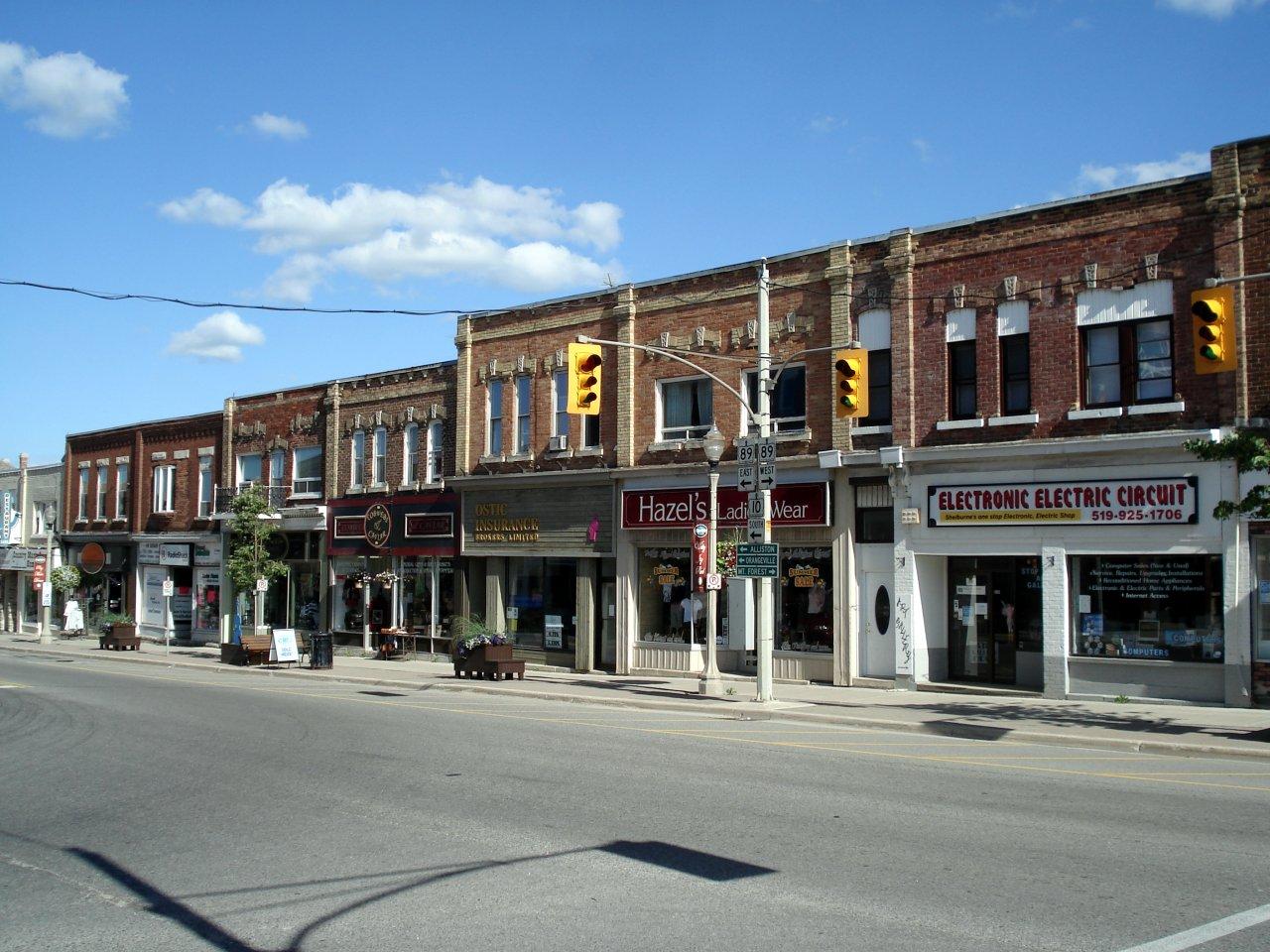
This is not a downtown Toronto market. Sample size is smaller, marketing periods tend to be longer outside prime corridors, and a single sale can influence cap rate perception for six months. Orangeville remains the commercial hub, with Shelburne growing steadily, particularly north and west along the Highway 10 and Highway 89 axis. Industrial users value highway access and stable power. Retail follows rooftops, and new residential in Shelburne has supported quick‑service and daily‑needs demand. Office demand is thinner, with medical and service professionals anchoring the strongest nodes.
Income property cap rates in recent years have ranged roughly as follows, with wide bands depending on tenant covenant, lease term, and building condition:
- Small‑bay industrial and flex: often in the 6.5 to 8.5 percent range for stabilized assets. Single‑tenant risk or functional obsolescence pushes higher.
- Neighbourhood retail with secure tenants: commonly 6.75 to 8.25 percent. Older strip centres with turnover can exceed 8.5 percent.
- Office above ground‑floor retail, especially walk‑up space: 7.5 to 9.5 percent, reflecting thinner demand and rollover risk.
Treat these as directional ranges, not fixed truths. In thin markets, data quality and weighting matter as much as the numbers themselves.
Land is its own universe. Commercial land appraisers in Dufferin County must navigate the County Official Plan, local zoning by‑laws, Development Charges, and Conservation Authority constraints. The Nottawasaga Valley and Grand River conservation authorities can materially affect development yields. Aggregate resource overlays and Source Water Protection mapping add another layer, especially in Melancthon and Amaranth. Small adjustments to developable area, access, or servicing often shift value more than people think.
What a strong commercial appraisal actually does
Good narrative reports do not drown you in boilerplate. They set the subject in its competitive set, explain the logic behind the highest and best use, and connect each comparable to the subject with specific, defensible adjustments. They also acknowledge uncertainty. In a county where three relevant sales may be all you have, a candid discussion of data reliability carries more weight with lenders than false precision.
Expect three approaches to value to be considered. In practice, the income approach often carries the most weight for stabilized income properties. The sales comparison approach provides a market check, anchored by thoughtful adjustments for time, condition, lease terms, and location. The cost approach may be useful for newer buildings, special‑purpose assets, or when land value is a key driver, but appraisers must reconcile local construction costs, soft costs, and depreciation based on real inspection findings, not a template.
For land, the sales comparison approach remains primary, but it must be tied to development potential. Residual land value analysis can add clarity in subdivisions or mixed‑use sites, provided the assumptions are tested with local builders, planners, and cost consultants.
Where commercial land assignments win or lose
Commercial land appraisal in Dufferin County looks straightforward until you open the zoning map and service plans. A site on the edge of Shelburne may be designated for future employment uses, but if sanitary capacity is two phases out and an interim solution is not realistic, timing risk must be priced. Conversely, a smaller site within Orangeville, already fronting on upgraded mains with no access issues, can justify a premium even if the raw dollars per acre seem high compared to rural parcels.
Appraisers who regularly handle land in the county will:
- Break down buildable area realistically, net of stormwater, buffers, easements, and topography.
- Check frontage and access, including sightlines on county roads and turning movement restrictions.
- Verify Development Charges and any area‑specific levies that materially affect feasibility.
- Consult with the municipality on timing, service allocation, and any moratorium or holding provisions.
- Cross‑check environmental and source water constraints that reduce density or trigger costly mitigation.
A quick anecdote: a client considered a commercial corner in Grand Valley that looked perfect on a map. The report flagged a Source Water Protection policy that required risk management for a planned automotive use, with cost and timing implications. The buyer renegotiated, pivoted to a lower risk use initially, and avoided a financing hiccup that would have surfaced six weeks later.
MPAC assessments and fee appraisals serve different masters
Commercial property assessment in Dufferin County, set by MPAC, is for taxation purposes and follows mass appraisal logic. It is not unusual to see assessed values that deviate from market reality for a unique asset. When owners appeal, a targeted commercial building appraisal can support a reduction, but only if it aligns the valuation date and method with the assessment framework. Lenders will rarely accept an MPAC value for underwriting. They want a CUSPAP‑compliant, property‑specific report. Keep the purposes separate and ensure the appraiser scopes the assignment accordingly.
Scope, timing, and price: set expectations early
Strong firms ask detailed questions before quoting. They want the rent roll, lease abstracts, capital expenditure history, environmental reports, and any unusual circumstances that affect value. That discovery shapes scope and price. For a stabilized, small income property, two to three weeks from inspection to draft is typical. For complex land with planning wrinkles, four to six weeks is more realistic. Rushes happen, but rush plus scarce data is a recipe for shallow analysis. If you truly need speed, approve a staged deliverable: a preliminary value range for internal decisions, followed by a full narrative suitable for a lender or court.
Fees vary with complexity. For a straightforward retail strip or industrial condo, you might expect low to mid four figures. Larger multi‑tenant assets, special‑purpose buildings, or development land with deep planning review often push into the high four to five figure range. Retainers are common, especially with first‑time clients or litigious assignments.
The appraisal process, demystified
Think of a well run assignment in phases. The engagement letter pins down intended use and user, reporting format, jurisdictional exceptions if any, and assumptions. The site visit is not a casual walk‑through. A good appraiser will test HVAC, scan the roof and envelope, check for age and condition of major components, and document any functional issues, like shallow loading aprons or inadequate clear height in older industrial space.
Data collection follows, with market rent surveys, sale verification calls, and a review of municipal records. Sales comparison adjustments should be explained in plain language. If a comparable leased at 14 dollars net with landlord incentives worth 2 dollars in effective rent, the appraiser should show how they trended that to a market equivalent. If vacancy in downtown Orangeville for second floor office sits around 7 to 10 percent depending on quality and exposure, that should be supported by observation and broker input, not a national table.
Reconciliation is where professionals earn their keep. When the income approach and sales comparison approach diverge, the report should explain why. Maybe the market is paying a premium for newer construction with green features that outstrips current rents, or maybe a thin buyer pool pushed the last sale higher than fundamentals justify. Stating judgment explicitly builds confidence.
Data sources and local intel
Many firms subscribe to data platforms like CoStar, Altus InSite, RealNet, or they leverage MLS where commercial data exists, but in Dufferin County, first‑hand broker conversations and municipal permit records often carry the day. Lease deals are frequently off market, negotiated between local landlords and businesses who have operated in the area for years. An appraiser who does not pick up the phone may miss a critical comp.
Construction cost data usually comes from Marshall & Swift or RSMeans, then localized by recent tender outcomes and contractor quotes. In the past two years, I have seen hard cost estimates for small industrial tilt‑up shells range across a wide band depending on slab spec, clear height, and sitework, often 140 to 200 dollars per square foot before soft costs, with site servicing tipping projects higher. A credible cost approach will not pretend that a county‑wide average tells the whole story.
Asset‑type nuance: not all commercial is created equal
-
Small‑bay industrial and flex: Functional utility drives value. Clear height, loading type, bay size, and power capacity matter. Older buildings with 12 to 14 foot clear heights serve some users, but many newer tenants expect 18 feet or more. If the report treats them as equivalents, push back.
-
Streetfront retail: In Orangeville’s core, historic character sells, but not at any price. Condition, accessibility, and upper floor utility are key. Shallow floorplates or awkward stairs suppress rent. Leases with gross structures require careful expense normalization.
-
Office above retail: Demand is steady for medical, wellness, and professional users who prize proximity and parking. Commodity office space without an elevator faces a thinner tenant pool. Expect higher vacancy and concessions.
-
Special‑purpose: Auto service, self‑storage, veterinary clinics, or funeral homes have use‑specific adjustments. Be cautious with sales of going‑concern properties that include business value. The appraiser should segregate real estate from intangible assets where required.
-
Commercial land: Corner exposure and signalized intersections command premiums, but site geometry and depth to infrastructure can invert the headline. Traffic counts along Highway 10 or Broadway do not automatically translate to fast food feasibility if access or stacking is constrained.
Environmental, building condition, and risk layering
Lenders in Dufferin County frequently ask for a Phase I Environmental Site Assessment when auto uses, dry cleaners, or legacy industrial are involved. An appraiser cannot substitute for an environmental consultant, but they should acknowledge the ESA’s findings and reflect stigma or remediation cost where warranted. The same goes for Building Condition Assessments that call out near‑term roof or HVAC replacements. Capital needs affect both NOI and cap rate perception. Good reports carry those through the analysis, not bury them in an appendix.
Working with lenders: what underwriters look for
Underwriters want a clean chain of logic. They check that the report names the lender as an intended user, that assumptions are reasonable and supported, and that the effective date aligns with funding requirements. They also scan for lease rollovers, tenant concentration, and outsized landlord obligations. If a 30 percent revenue tenant has a termination right within 12 months, the appraiser should model rollover risk or at least comment on its impact. Panel appraisers know each lender’s tolerance and formatting preferences, which shortens review time.
Red flags when screening commercial appraisal companies
Beware of firms that promise a number on the first call. Value is earned through analysis, not volunteered to win a mandate. Overreliance on out‑of‑market comparables without robust adjustments is another warning sign. So is a report that treats an MPAC assessment as market value for financing. Inexperienced appraisers may also underprice complex land assignments, then ask for scope changes later when the planning puzzle proves harder than expected.
Questions that separate pros from pretenders
- Which Dufferin County leases or sales have you verified in the past six months that relate to this asset type, and what did you learn from those calls?
- If we disagree on the rental rate, how will you reconcile broker opinions, past leases, and current listings?
- For a land file, which municipal staff or conservation authority contacts will you speak with, and how will their input change your development yield assumptions?
- Which lenders accept your reports today for similar assets in Orangeville or Shelburne, and are you on their panel?
- What are the key risks to value on this file, and how will you reflect them in sensitivity or reconciliation?
A concise way to compare proposals
- Confirm designation and relevant local experience, ideally AACI, with recent assignments within the county.
- Ask for a clear scope, timeline, and fee, with assumptions and exclusions spelled out in the engagement letter.
- Verify lender panel status or obtain pre‑approval if financing is the intended use.
- Review sample redacted reports for similar asset types to gauge depth and clarity.
- Pin down communication cadence, including a mid‑assignment check‑in to surface surprises early.
Prepare your property to help the appraiser help you
- Provide current rent roll, copies of all leases, and a trailing 24‑month operating statement with capital expenditures broken out.
- Share environmental and building condition reports, permits, recent improvements, and any warranty documents.
- List known deferred maintenance and near‑term capital plans, even if uncomfortable. Surprises later cost more.
- For land, include surveys, site plans, correspondence with municipal staff, and any preconsultation notes.
- Offer access to property managers or tenants for quick verification calls where appropriate.
Case snapshots from the field
A downtown Orangeville mixed‑use building with two retail units and four second‑floor offices came in for refinance. The prior appraisal used a GTA‑wide office vacancy rate of 12 percent, discounting the asset heavily. The updated report verified https://rentry.co/o9urh8n2 nine recent leases within one kilometre, landed at a blended vacancy of 7 percent for upper floors and 3 percent for the well‑tenanted retail, and normalized gross leases to net equivalents. Value increased by roughly 8 percent year over year, aligned with actual investor appetite.
A Shelburne edge‑of‑town parcel marketed as Highway Commercial looked underpriced compared to raw per‑acre data. The appraiser’s land analysis pointed out a required road dedication and an oversized stormwater facility due to soil conditions, reducing net developable area by nearly 20 percent. The valuation supported the list price, and the buyer avoided overbuilding a pro forma that would not have penciled.
An older 15,000 square foot industrial in Mono had 13 foot clear height and limited loading. A buyer pushed for a cap rate consistent with newer small‑bay product. The appraiser laid out functional obsolescence and the cost to retrofit, demonstrating that the market had priced similar assets at 100 to 150 basis points higher. The deal repriced, and both parties moved on with eyes open.
Final judgment calls: trade‑offs you cannot avoid
You will often face a choice between speed and depth. If a lender deadline is immovable, be candid about it and authorize the appraiser to state reasonable ranges where precision is unattainable within the timeframe. Similarly, decide upfront whether the work should anticipate potential litigation or assessment appeal. Litigation‑ready reports take more time and carry higher fees because every adjustment must stand up under cross‑examination.
Think about independence too. Some commercial appraisal companies in Dufferin County also provide brokerage or consulting services. That can be an asset when disclosed and managed properly, bringing sharper market intel. It can also create perceived conflicts. If your stakeholder is sensitive to that risk, choose a firm that keeps valuation separate from transactions.
Bringing it all together
Choosing the best commercial building appraisers in Dufferin County is less about brand size and more about fit, local knowledge, and the discipline to explain judgment. For income properties, insist on rent, vacancy, and expense assumptions that reflect the streets your tenants actually shop and work on. For land, demand a buildable‑area view that survives the planning desk and conservation authority. Keep MPAC assessments in their lane, and make sure the report aligns with its intended use. Finally, participate. Share data, respond quickly, and ask the hard questions at the start. The right appraiser will welcome that pressure and produce a report that withstands scrutiny, whether you are closing a loan, setting a price, or fighting an assessment.
If you remember nothing else, remember this: in a smaller market county, the analyst matters as much as the analysis. Pick someone who can defend their work across the table, who knows the difference between Highway 10 frontage and a tucked‑away side street, and who treats each assignment as a fresh problem to solve. That is how you avoid costly surprises and arrive at value that holds when it needs to.